Bluefin Tuna: Getting Even Better Towards Peak Season
Our premium Bluefin Tuna from Goto, Nagasaki, continues to evolve in quality. As water temperatures begin to drop, the tuna is steadily getting fattier — a characteristic known as "Nebari" by Japanese fishermen, indicating exceptional richness and depth in the fat.
While Bluefin Tuna is traditionally at its absolute peak in the coldest winter months (December–February), the quality is significantly improving as we head into the colder season. I personally sampled each cut this week and found the difference utterly astonishing: * Otoro: Magnificent marbling and Nebari * Chutoro: Velvety texture * Akami: Rich, profound taste
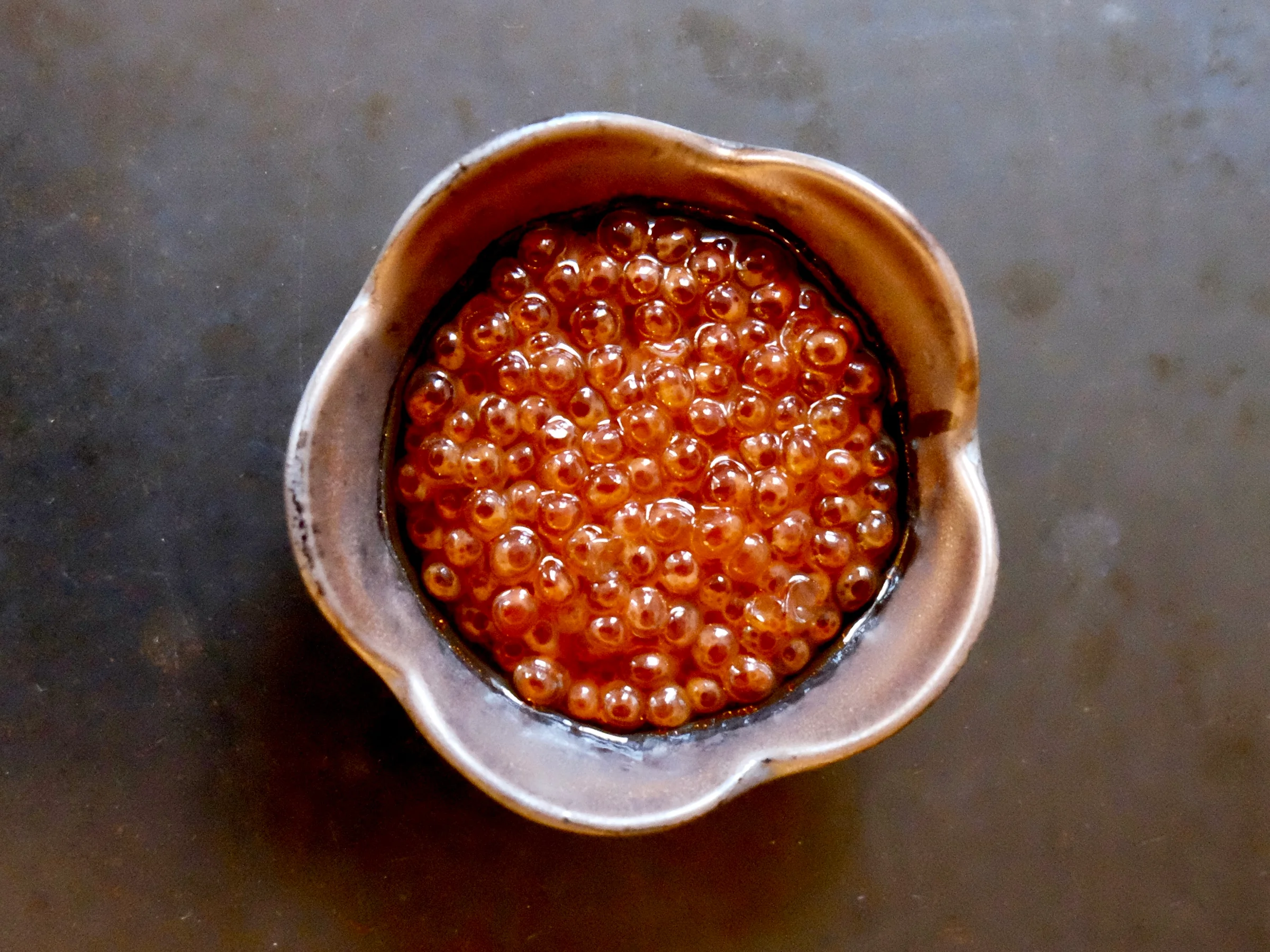
New This Week: Alaskan Ikura Shoyuzuke
While salmon prices remain buoyant, we have secured a decent alternative for our Ikura lovers. We are now offering Ikura Shoyuzuke from Alaska — enjoy the rich, savory burst of these marinated salmon roe. Also in stock: Hokkaido Bafun Uni in small boxes, Kinmedai, and Sasshu Salmon.
Holiday Schedule Update
Due to misaligned holiday schedules between Japan and the US, we will be taking the last week of November off. Store closes that week. We anticipate our first fresh fish delivery after Thanksgiving to arrive on December 3rd.