Gift Cards Loyalty Return Policy
Order Updates Learn Recipes Sushi Kit Gift Cards Order Now →

Washington DC · Daily 11:30 am – 8:00 pm

Sushi-Grade Fish
in Washington DC.
The real thing.

Direct from Japan. Ikejime-processed, fully traceable, never treated with carbon monoxide. The standard that most of Washington DC has never been offered.

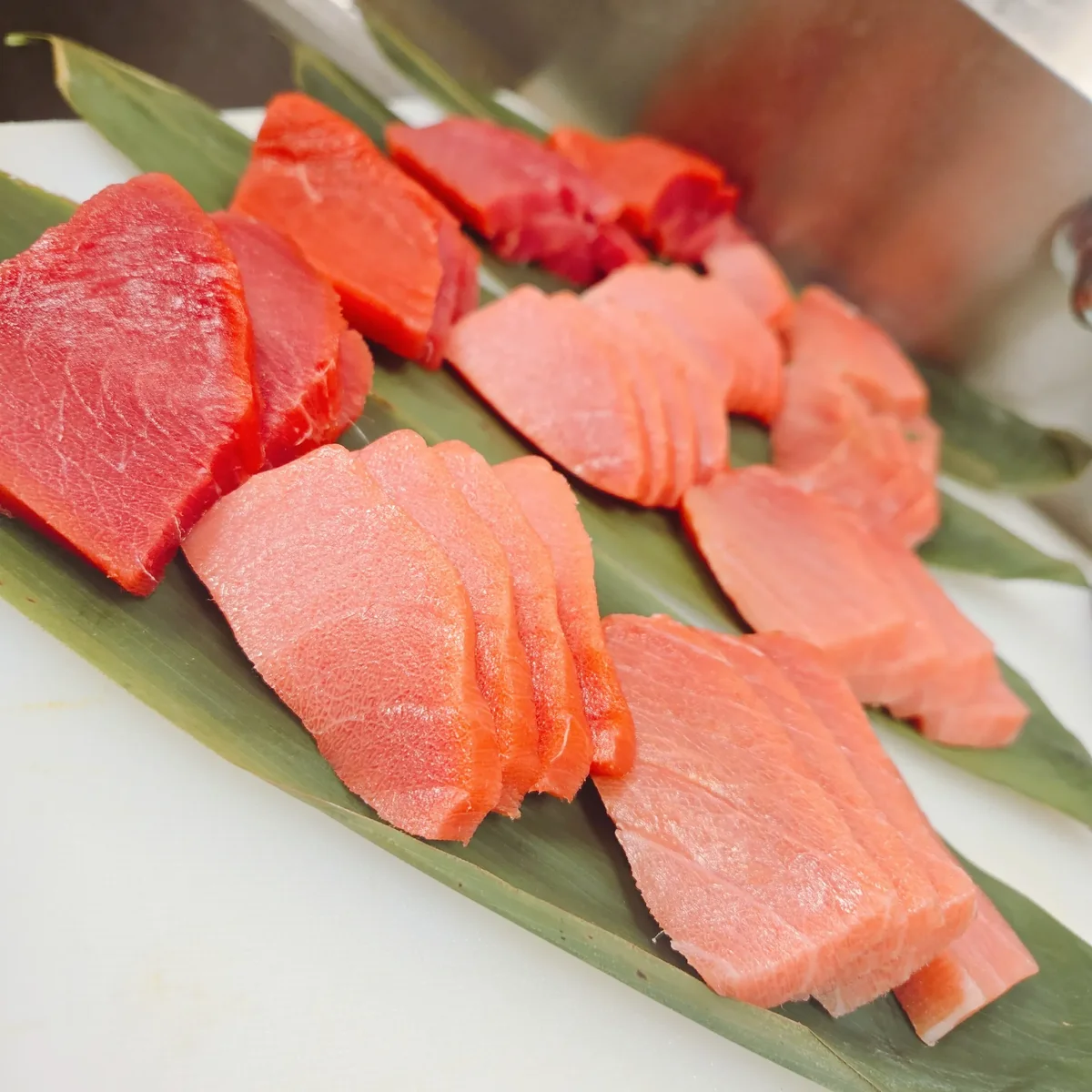
Nagasaki Bluefin Tuna — Akami, Chutoro, and Otoro (left to right), Sashimi DC Washington DC Akami · Chutoro · Otoro — Nagasaki Bluefin
OriginDirect from Japan
ProcessingIkejime — Miyazaki
RouteFukuoka · Haneda · IAD
CO TreatmentNever
HoursDaily 11:30 am – 8 pm

Sushi-grade fish,
sourced this week from Japan.

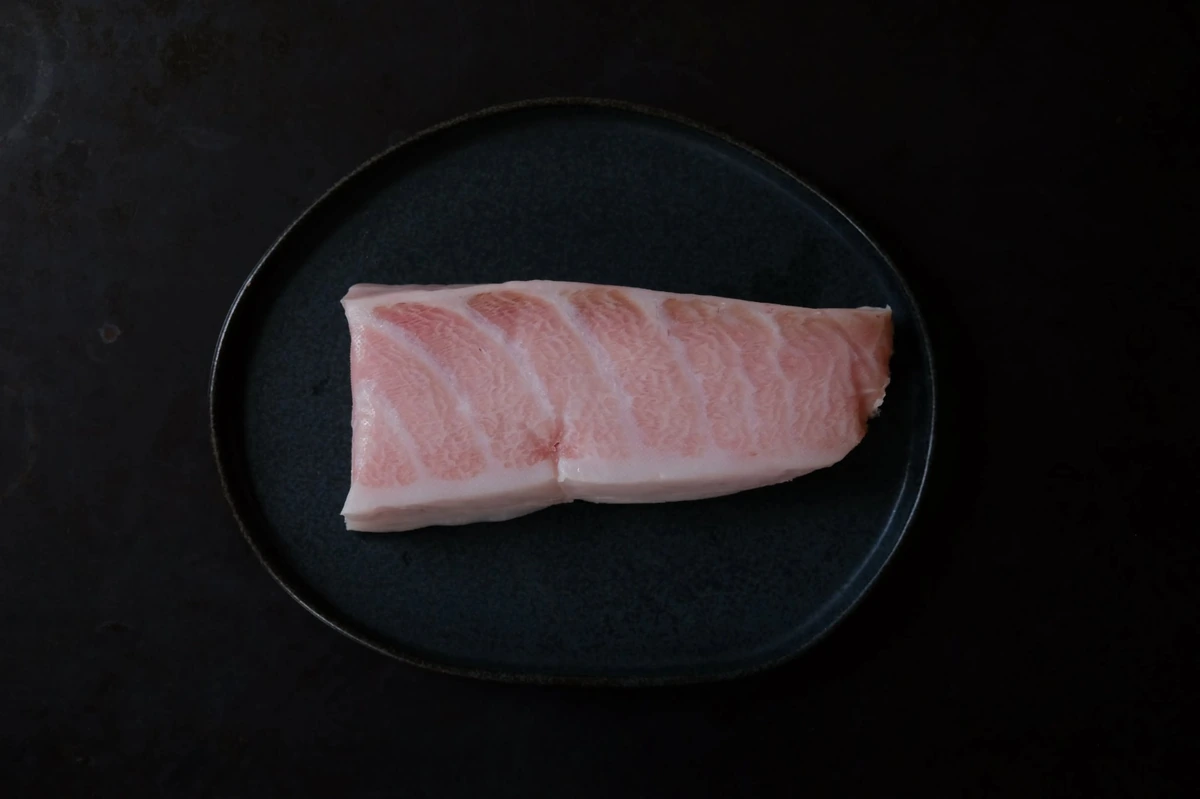
Bluefin Tuna Otoro — sushi-grade, Goto Nagasaki

Goto, Nagasaki · Ikejime

Bluefin Tuna Otoro

The fatty belly. Pure melt, no effort. A cut that has no meaningful equivalent at any Washington DC supermarket — or most restaurants.

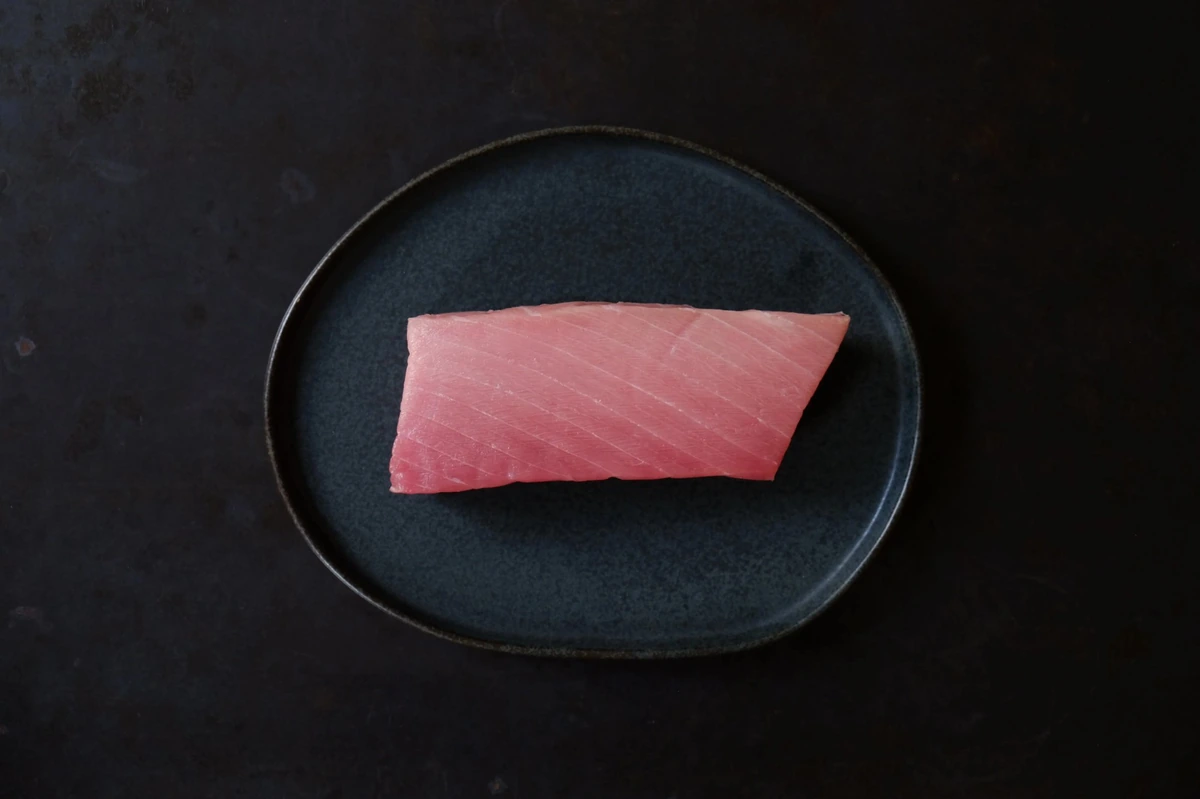
Bluefin Tuna Chutoro — sushi-grade

Goto, Nagasaki · Ikejime

Bluefin Tuna Chutoro

Medium-fatty belly. The balance cut — where the richness of Otoro meets the clean umami of Akami. A connoisseur's choice.

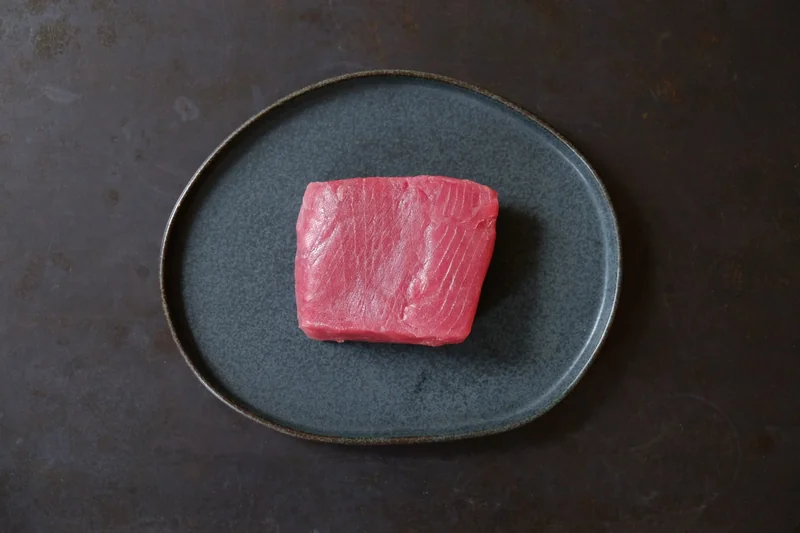
Bluefin Tuna Akami — sushi-grade

Goto, Nagasaki · Ikejime

Bluefin Tuna Akami

Lean red meat. Vivid ruby color, intense and focused umami. The purest expression of the Nagasaki Bluefin. An excellent entry point.

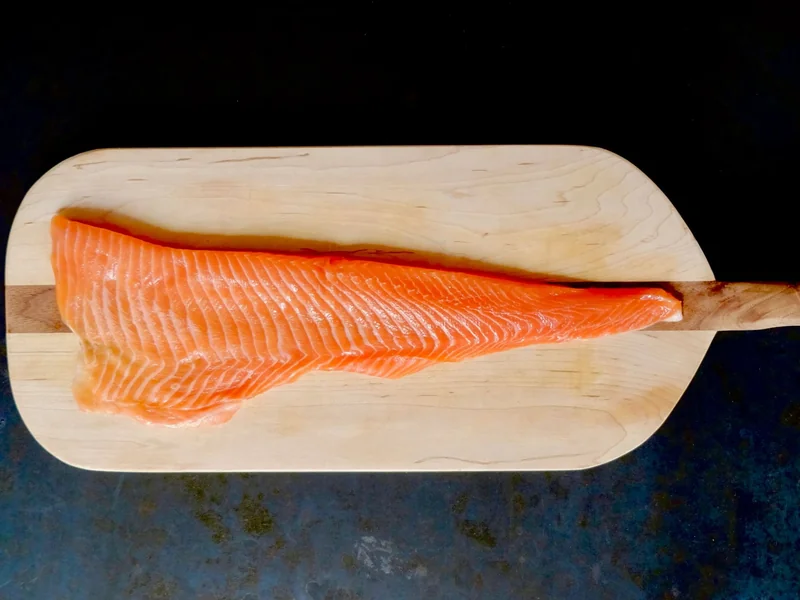
Sasshu Salmon — sushi-grade, Kagoshima

Kagoshima · Aquaculture

Sasshu Salmon

Farm-raised in Kagoshima's cold, clean waters. Bright, clean flavor and natural pink-orange color — no dyes, no CO, no additives.

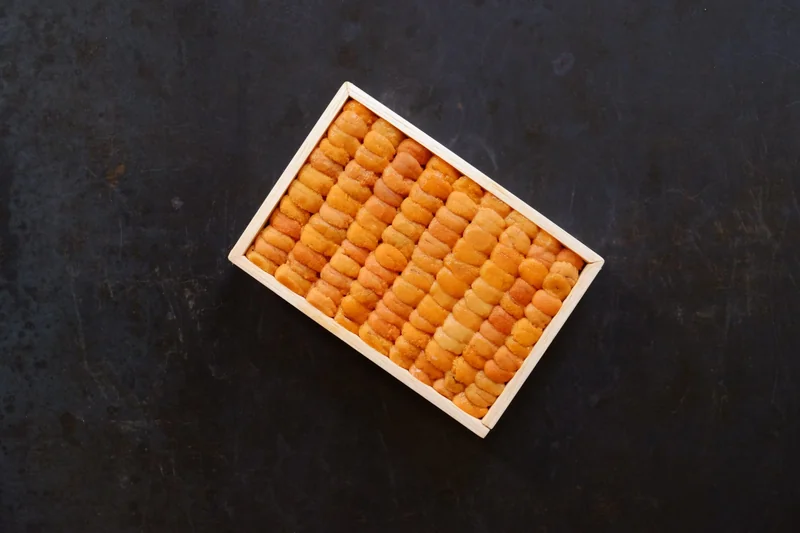
Hokkaido Uni — sushi-grade sea urchin

Hokkaido · Wild

Hokkaido Uni

Sweet and oceanic with no bitterness. What uni is supposed to taste like — before most Americans were offered a degraded version and learned to add mayonnaise.

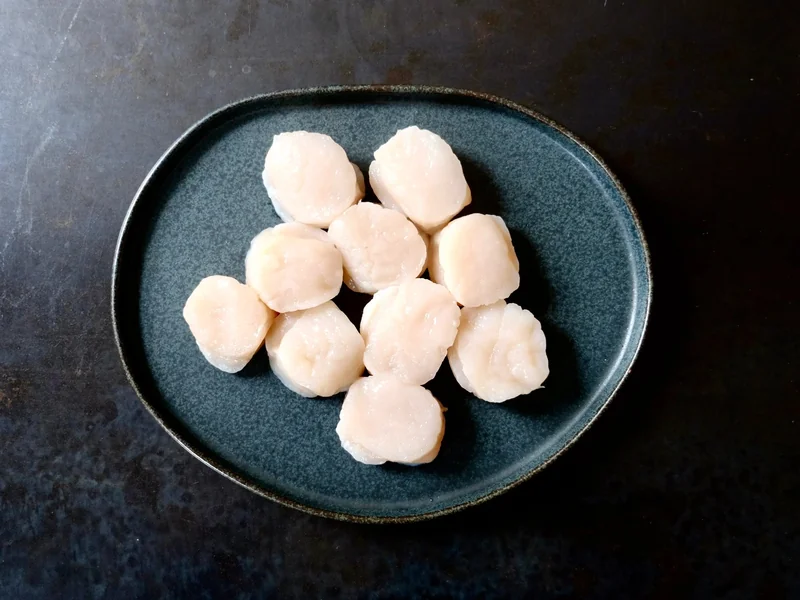
Hokkaido Hotate Scallops — sushi-grade

Hokkaido · Wild

Hokkaido Hotate

Hand-dived Hokkaido scallops. Sweet, firm, and clean. An extraordinary starting point for anyone new to sushi-grade fish at home.

Why This Exists

Washington DC
deserves better fish.

I spent years at Johns Hopkins SAIS and the World Bank Group — working in international finance, traveling between Washington and Japan, and eating in both worlds. The difference was not subtle. In Japan, exceptional fish is a daily reality. In Washington DC, it was effectively unavailable.

Not because the fish doesn't exist. It exists, and it's extraordinary. The problem is the supply chain, the handling, and the assumptions — the quiet acceptance that American consumers don't know the difference, or won't pay for it, or won't understand it.

I disagree with all of those assumptions. The people of Washington DC deserve access to fish of the same quality available at the finest counters in Japan. It may take time for people to discover that such a thing exists — that good fish doesn't need a heavy sauce to cover up its smell, that Bluefin Tuna is not something that comes out of a can or sits under carbon monoxide gas in a supermarket case. But once someone tastes the real thing, the difference is immediate and permanent.

This is what Sashimi DC is for.
Keita Miyaki — founder, Sashimi DC

Keita Miyaki

Founder · Sashimi DC

Johns Hopkins SAIS · World Bank Group · Specialist in sashimi-grade Japanese seafood, Washington DC.

"I have tried different sources. This Bluefin is Batsugun — in a different class."

A chef with deep professional knowledge of Japanese fish, Washington DC

What most people have been sold
as "sushi-grade"

Carbon monoxide treatment is standard practice in the US mass-market seafood industry. It is banned in Japan, Canada, Singapore, and the EU. Understanding what it means matters — because you are almost certainly eating it without knowing.

Mass-Market "Sushi-Grade"

CO-treated "tuna" of unknown species and origin

The artificially red color in most supermarket tuna cases is maintained with carbon monoxide gas. The label often reads simply "tuna" — which may not mean Bluefin at all. Bigeye, Yellowfin, or Skipjack are cheaper and far more common in mass-market channels. Even where Bluefin is stated, the origin and handling are typically untraceable.

  • Color locked with CO gas — legal in the US, banned in Japan, EU, Canada
  • Origin untraceable — pooled from multiple sources, no provenance
  • Ikejime processing status unknown — most mass-market tuna is not Ikejime-processed, though this cannot always be verified
  • Cold chain unknown — multiple intermediaries, no documentation
  • Frozen for an unknown duration — possibly thawed and refrozen multiple times in the supply chain
  • Flavor requires masking — heavy sauces and mayo exist for a reason

Sashimi DC

Nagasaki Bluefin — fully traceable, never CO-treated

Every piece carries a provenance that can be stated precisely: Goto Island, Nagasaki Prefecture, Japan.

  • Zero CO treatment — natural color reflects actual quality and age
  • Single-origin: Goto Island, Nagasaki — same farm, every week
  • Ikejime-processed at a specialist Miyazaki facility — maximum umami, preserved texture
  • Cold chain: Fukuoka → Haneda → IAD, documented and unbroken
  • Flavor needs nothing — good fish requires no concealment

Four things that make
sushi-grade meaningful

01

Single-Origin Traceability

Every product at Sashimi DC can be traced to a named location in Japan. Not a region — a specific farm or fishing ground.

02

Ikejime Processing

Instantaneous neural death, bleeding, spinal cord destruction. Prevents lactic acid buildup, preserves ATP, maximizes the umami peak at 3–10 days post-harvest.

03

Unbroken Cold Chain

From the boat at Goto Island to your table in Washington DC — body-cavity iced within minutes, then Fukuoka · Haneda · IAD. No gap in the chain.

04

No CO Treatment

Color reflects the real state of the fish. When Akami is vivid ruby, it is because it arrived fresh, not because gas was applied to make it look that way.

Sushi-grade fish in DC — FAQ

Where can I buy sushi-grade fish in Washington DC?

Sashimi DC is located at 1608 14th St NW, Lower Level, inside Rice Market — open daily 11:30 am to 8:00 pm. Fish is available for same-day pickup or local delivery across Washington DC, Maryland, and Northern Virginia. Order online at shop.sashimidc.com.

What is carbon monoxide treated fish?

Carbon monoxide (CO) treatment — also called modified atmosphere packaging — is the process of exposing fish to CO gas to lock in an artificially bright red color. A piece of tuna that has been CO-treated will look identically fresh whether it is two days old or two weeks old. The process masks degradation in quality and flavor. It is legal in the US but banned in Japan, Canada, Singapore, and the European Union. Sashimi DC does not carry CO-treated fish.

Why is sushi-grade fish from Japan better?

Japan has developed the world's most rigorous systems for fish handling — Ikejime processing, precise cold-chain management, and single-origin aquaculture programs that prioritize flavor over yield. The Nagasaki Bluefin at Sashimi DC is Ikejime-processed at harvest in Nagasaki, then processed into saku blocks at a specialist facility in Miyazaki within hours of harvest, packed in ice including into the body cavity within minutes, and flown directly to IAD. No comparable supply chain exists for domestically-sourced fish at this price point in Washington DC.

Is your fish more expensive than supermarket fish?

Yes — and the difference is traceable to exactly what you are buying. Supermarket sushi-grade tuna is typically commodity fish with no stated origin, CO-treated to maintain color, with no Ikejime processing and no documented cold chain. Sashimi DC's Bluefin is single-origin (Goto, Nagasaki), Ikejime-processed, CO-free, and fully traceable from farm to table. The quality difference is not marginal. Customers who have eaten at premium sushi counters in Tokyo regularly describe the Sashimi DC Bluefin as the best they have had in Washington DC by a significant margin.

How should I store sushi-grade fish at home?

Store in the coldest part of your refrigerator (back, bottom shelf) at 1–2°C, tightly wrapped. Consume within 3–5 days of delivery for best results. Ikejime Bluefin Tuna may actually improve in flavor over the first 3–10 days post-harvest as umami compounds develop. Do not freeze in a home freezer — home freezers (−18°C) damage cell walls and are not FDA HACCP-compliant for parasite destruction.

Ready to taste the
difference?

Pickup daily at 1608 14th St NW, Lower Level. Same-day delivery across Washington DC, Maryland, and Northern Virginia.

Order sushi-grade fish Explore Bluefin cuts

(202) 234-2737 · Daily 11:30 am – 8:00 pm