This Week’s Catch
What You’ll Order
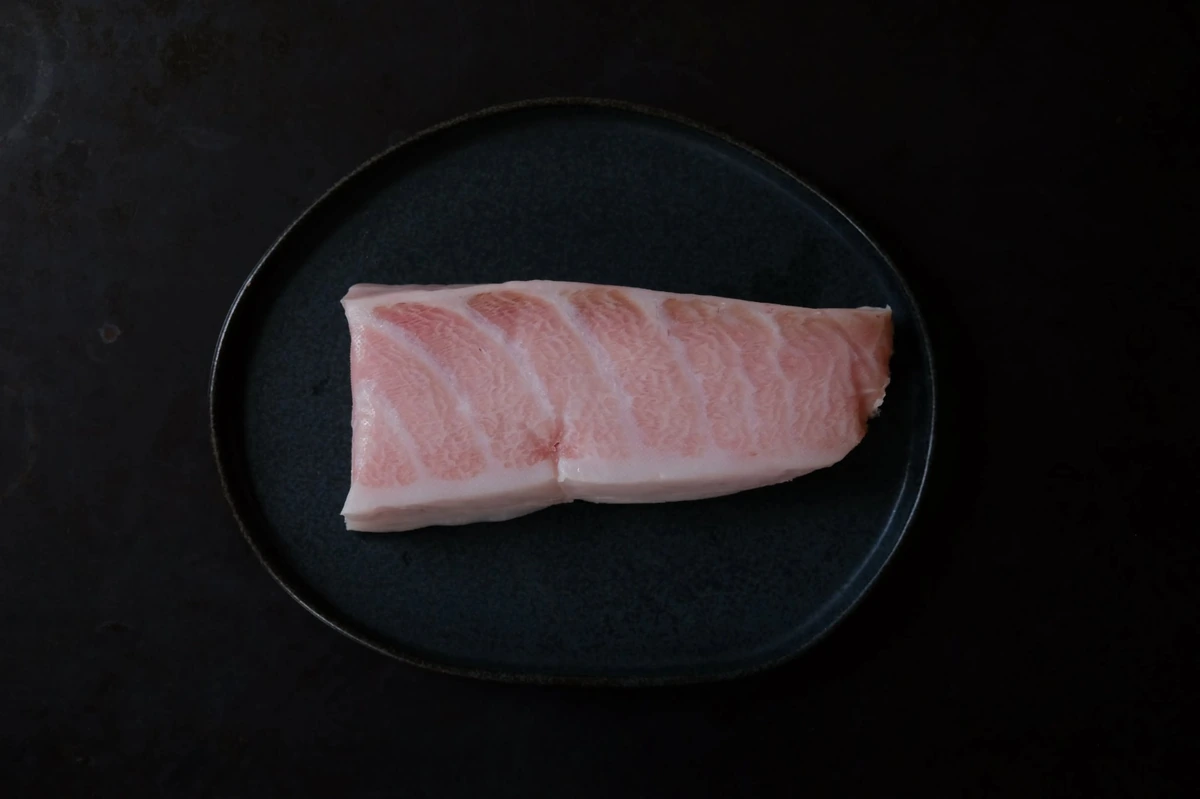
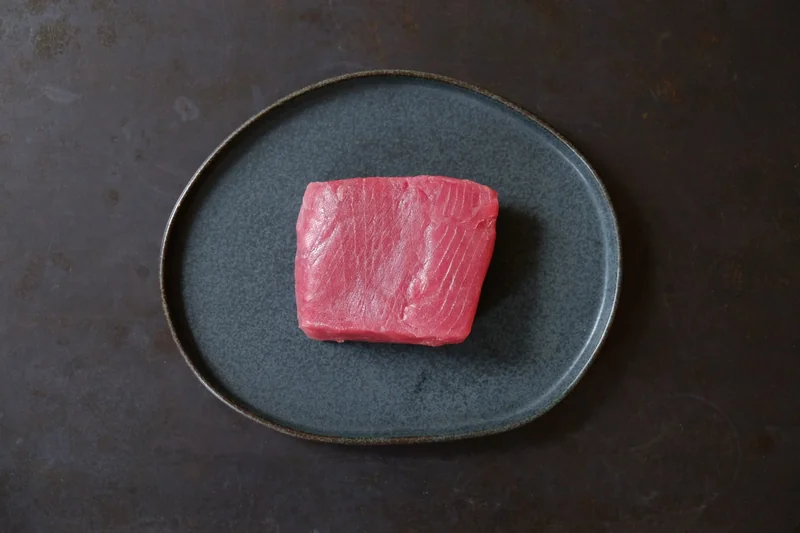
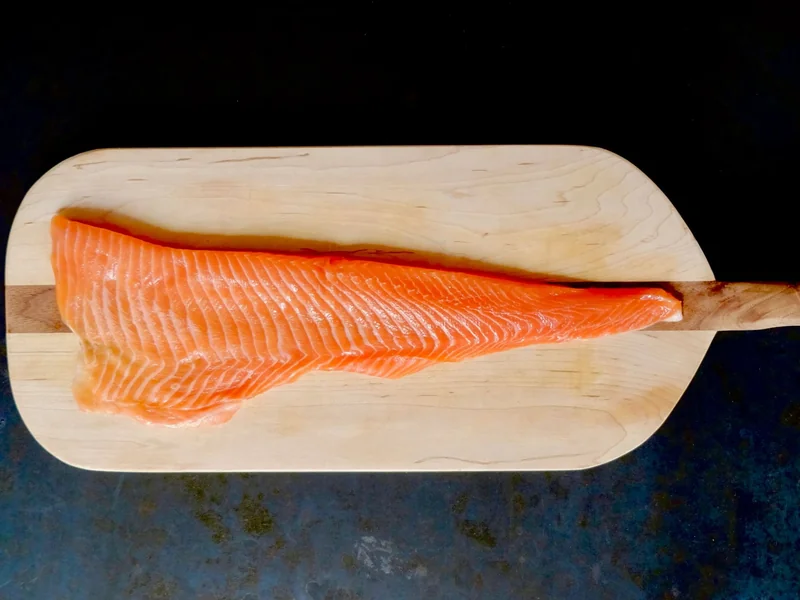
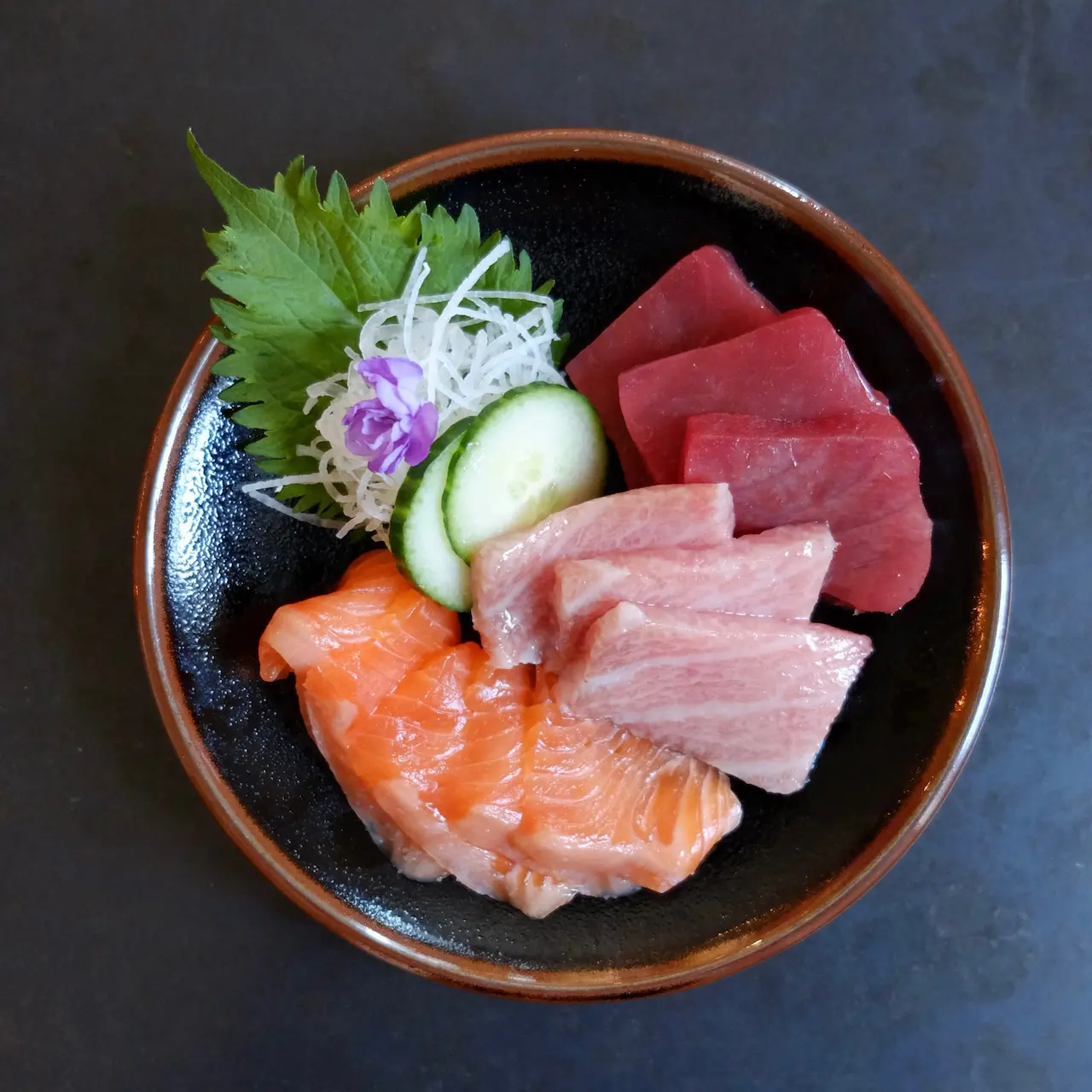
Goto Islands Bluefin Tuna — Ikejime-processed and never frozen — alongside Sasshu Salmon from Kagoshima and seasonal fish, delivered to your door.
Sashimi DC · Potomac, MD Delivery
Nagasaki Bluefin Tuna, Hokkaido Uni, and Kagoshima Salmon — flown in from Japan and delivered same-day to Potomac along River Road and surrounding neighborhoods.
Order Delivery Now Check Your AreaWhere can I get sashimi-grade fish delivered to Potomac?
Sashimi DC delivers sashimi-grade Bluefin Tuna, Hokkaido Uni, and Sasshu Salmon to Potomac, MD (Montgomery County) daily from 1–8 pm. Flown direct from Japan and packed in insulated bags with ice packs. Same-day delivery if you order by 7:30 pm; $30 minimum. Enter your address at checkout to confirm coverage.
297
Google reviews · 5.0 average
928
same-day deliveries*
129
deliveries across Maryland
66
Maryland customers served
*Same-day means shipped and received on the same calendar day, including advance orders placed ahead for same-day delivery. Potomac-specific delivery volume is under 10 orders to date, so the two figures at right reflect all of Maryland. As of August 2026.
Why Delivery
Potomac is one of the most affluent communities in the DC metro area, and its residents expect quality in everything — including what they serve at their tables. But genuine sashimi-grade fish, ikejime-processed and never frozen, simply doesn't exist in Potomac retail. Sashimi DC delivers it directly from Nagasaki to your door, ~48 hours from Miyazaki.
Sashimi DC delivers same-day across Montgomery County — Potomac, Bethesda, Rockville, North Bethesda, and Chevy Chase MD. Enter your address at checkout to confirm coverage.
Skip the 14th St bridge traffic, Beltway merge, or GW Parkway crawl. Order from your couch and let us handle the logistics.
Street parking near our 14th Street shop is scarce. Save the time, the quarters, and the parking tickets.
Every order ships in insulated bags with 1 lb+ ice packs — purpose-built to maintain sashimi-grade temperature across the full delivery radius.
Order any day between 1–8 pm. We prep in 30 minutes; drivers pick up shortly after. Fresh fish at your door, often within the hour.
Kids love making sushi at home with restaurant-quality fish. Skip the restaurant trip — have the whole family roll together at home. Sashimi-grade fish is safe for children when handled properly — Akami and Sasshu Salmon are good starting points.
Sashimi DC hosted a private team-building sashimi class for the team at Plover Pediatric Dentistry, a board-certified pediatric practice in Potomac. Their precision and teamwork at the cutting board matched what Keita looks for in a great team.
Our Standard
Our Nagasaki Bluefin Tuna was served at the Japanese Ambassador's official reception in Washington DC. We source ikejime-processed fish direct from Japan — the same standard demanded by top Tokyo omakase restaurants.
The Goto Islands Bluefin is farm-raised on a documented mackerel-based diet with no CO treatment and no freezing — arriving with omega-3 integrity intact and with lower expected mercury than long-lived wild adults (mercury guide). Raw fish safety guide →
Browse the FishWhy Customers Choose Us
“Premium cuts of bluefin tuna, yellowtail, and Hokkaido uni… directly from Japan.”
— Washingtonian Magazine
This Week’s Catch
Goto Islands Bluefin Tuna — Ikejime-processed and never frozen — alongside Sasshu Salmon from Kagoshima and seasonal fish, delivered to your door.
How the Fish Gets Here
Bluefin tuna comes from farmers in Goto, Nagasaki — raised from wild seeds with care and slaughtered using ikejime to preserve texture and umami. Sasshu salmon is raised in Sendai, Kagoshima on Chiran tea and mineral groundwater. Both are sent to a specialist processor in Miyazaki, who cuts and packs them for export. From Miyazaki the fish travel to Fukuoka, then to Haneda, then across the Pacific on ANA OCS cargo to IAD — where Keita picks them up personally.
Most imported seafood in the US moves through six layers before it reaches the table. Sashimi DC works directly with the farmer and processor in Miyazaki — cutting that chain in half. The shorter route means lower total margin, faster transit, and a direct quality conversation: when something needs adjusting, Keita messages Japan overnight.
A family in Potomac has made Sunday sashimi a weekly ritual — fish delivered, table set at home, no reservation needed. The alternative is driving to a restaurant. This is better.
Why Delivery Makes Sense
The supermarket trip costs more than you think — and you still come home with inferior fish. Here’s what the math actually looks like.
Premium supermarket
∼50 minutes, uncertain result
Sashimi DC delivery
∼2 minutes to order, done
* Some wild-caught fish are frozen at sea to comply with FDA HACCP parasite-destruction requirements. Our Bluefin Tuna is handled under alternative sashimi-grade protocols and is never frozen.
† Vitsab TTI sensors are FDA-approved. Our Miyazaki supplier (Mitsui Suisan) is listed on the FDA Import Alert 16-125 green list — an approval that recognizes their use of validated TTI monitoring for oxygen-reduced packaged fish.
Our fish is ikejime-processed at source — a slaughter method that eliminates lactic acid buildup and preserves both texture and umami in ways conventional handling cannot replicate. It arrives via an unbroken cold chain from Japan’s top specialist producers: Goto Islands for Bluefin Tuna, Kagoshima for Salmon, Hokkaido for Uni. These are not commodity suppliers — they are among the most respected names in Japanese seafood.
We know the catch date, the processing date, and the producer behind every fish we deliver. That level of traceability does not exist at a retail fish counter.
Delivery Coverage
We deliver to Potomac via DoorDash/Nash or Uber/Postmates. Coverage is partial in outer Potomac — confirm at checkout with your address.
✓ Full coverage · ◑ Partial coverage — only addresses near major roads. Enter your address at checkout to confirm. Coverage reflects April 2026 and is subject to change.
Full coverage area: Maryland delivery page
How It Works
Select your fish at shop.sashimidc.com. Minimum order $30. Enter your address to confirm delivery is available.
Delivery orders accepted daily 1–8 pm. Order by 7:30 pm for same-day delivery. Tap the date/hour in the order view to select your preferred window.
Your order is ready in 30 minutes. A DoorDash/Nash or Uber/Postmates driver picks up and delivers to your door. Contactless delivery available on request.
Your confirmation email includes a tracking link. Watch your delivery in real time, then enjoy Tokyo-quality sashimi at home.
See It Before You Order
Mooring for the night along the canal, a boat captain orders dinner dockside.
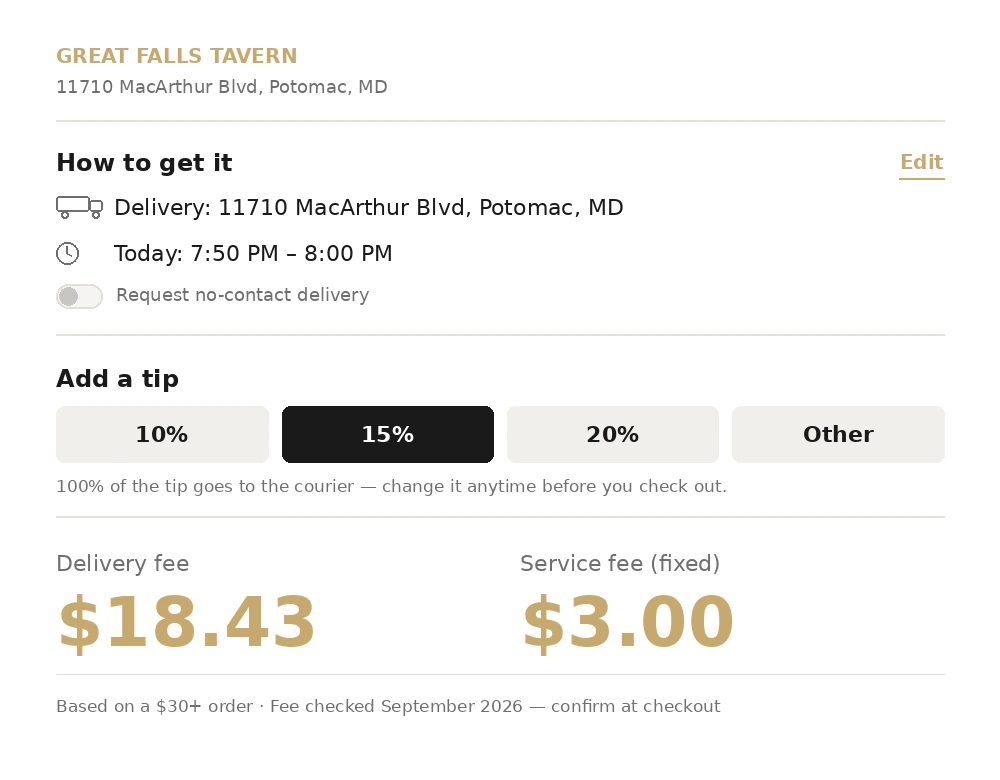
Square checks DoorDash/Nash and Uber/Postmates at the moment you check out and quotes whichever comes back lower for your address — you don’t choose a carrier, and the split between the two isn’t disclosed. DoorDash prices at $6.99 up to 5 miles, plus $1 per additional mile to 10 miles; Uber/Postmates prices at $4.20 plus $0.75 per kilometer actually driven — so the same address can quote differently order to order, depending on route and traffic.
Tap Edit next to your delivery window to request a 10-minute slot. It isn’t guaranteed — traffic can still shift it — which is why every order still travels in an insulated bag with an ice pack and a time-temperature indicator: if that indicator shows the cold chain broke in transit, it’s a full refund.
Keita’s Pick
Sashimi DC recently hosted a private sashimi-slicing team-building class for the team at Plover Pediatric Dentistry, a board-certified pediatric dental practice in Potomac. Watching them work the knife was a good reminder that precision and teamwork look the same at a dental office as they do at a fish counter — careful hands, close attention to detail, and real curiosity about how things work.
Dr. Hae Jin Kim and Dr. Pedro M. Alvarez lead a warm, patient-first practice inside Cabin John Village Mall, treating kids from across Potomac, Bethesda, Rockville, and DC. If you have young children in the area, they’re worth knowing.
Community
One thing Keita hears often: kids say they don't like fish — because the fish they've tasted wasn't fresh. When families in the DC area try sashimi-grade fish for the first time, kids smile. That reaction is exactly why Sashimi DC supports Japanese cultural programs in this community.
We participate in fundraiser sales at Washington Japanese Heritage Center on select Saturdays, donating 10% of sales to support their programs. Keita joins classes to share his background and introduce students and families to Japanese fish and food culture.
FAQ
Delivery fees to Potomac typically range from $14–$16.99 depending on your exact address. The fee is calculated automatically at checkout. Confirm availability with your address at checkout. DoorDash charges $6.99 for addresses within 5 miles; beyond 5 miles the fee increases by $1 per additional mile up to 10 miles.
Yes — $30 minimum. A single portion of our fish easily exceeds this threshold.
We take delivery orders from 1 pm to 8 pm daily. Order by 7:30 pm for same-day delivery.
Prep time is approximately 30 minutes after you place your order. A DoorDash/Nash or Uber/Postmates driver then picks up and delivers — typically under one hour for DC addresses, and around one hour for suburbs depending on traffic and distance. Orders must be placed by 7:30 pm; delivery runs until 8:00 pm daily.
We use DoorDash/Nash or Uber/Postmates for local delivery — Square automatically selects whichever quotes lower for your address. Tipping is optional — Square suggests 15%, but you can adjust it as you wish. 100% of the tip goes directly to the driver, not to Sashimi DC.
Genuine sashimi-grade fish simply does not exist in suburban retail. Grocery stores and supermarkets may label fish “sushi-grade” or “sashimi-grade,” but those terms have no legal definition in the US — they are marketing labels with no standard behind them. The fish at those counters is almost never ikejime-processed, is often treated with carbon monoxide to maintain color, and has typically been frozen for weeks. Sashimi DC delivers ikejime-processed, never-CO-treated, never-frozen Bluefin Tuna, Hokkaido Uni, and Sasshu Salmon directly to your door — the same standard as Tokyo’s top omakase counters.
Fish arrives from Japan on Wednesdays. Thursday and Friday are the best days to order — stock is fully replenished right after Wednesday arrival. Popular cuts can sell out by Saturday afternoon.
Sashimi DC imports directly from the farmer in Nagasaki/Kagoshima and processor in Miyazaki — skipping the exporters, importers, and distributors that typical US seafood passes through. That shorter chain means faster transit and a direct quality line: if packaging, cuts, or cold chain need adjusting, Keita communicates with the processor overnight. The fish reaches your door approximately 48 hours from Miyazaki, never frozen, never CO-treated.
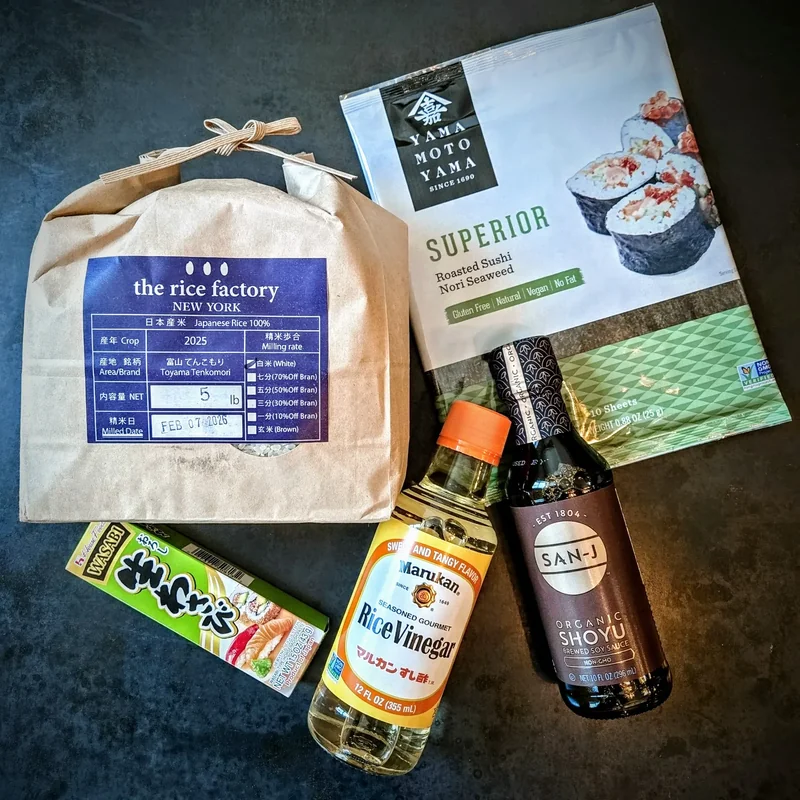
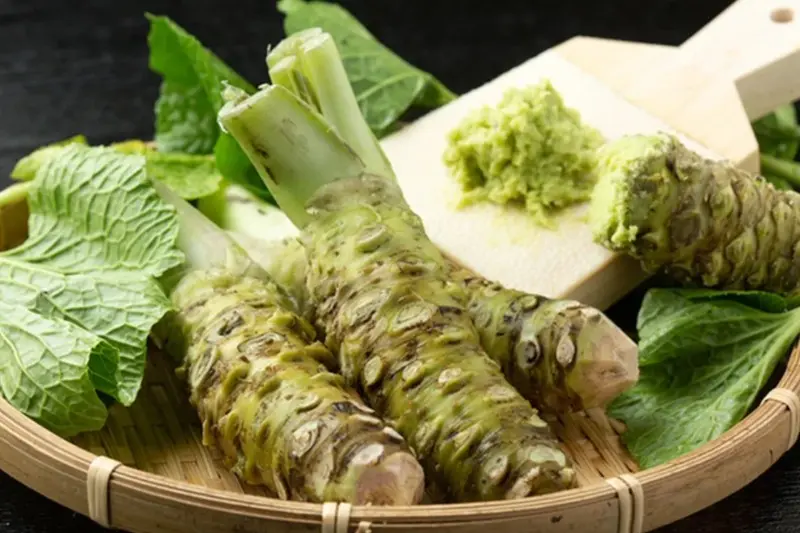
The full product lineup is at shop.sashimidc.com. Regular items include Nagasaki Bluefin Tuna (Otoro $74, Chutoro $60, Akami $55 — all ~8 oz, ~15 slices each), Sasshu Salmon from Kagoshima ($65 / ~9 oz, ~18 slices), Hokkaido Uni (Bafun and Murasaki), Kagoshima Unagi Kabayaki, and Fresh Wasabi from Shizuoka. Occasional cuts include Hohoniku, Kama, Zuniku, and Nakaochi. Availability reflects what arrived from Japan that week — the shop shows current stock in real time.
Yes. Bluefin Tuna and Sasshu Salmon arrive vacuum-packed with an individual TTI (Time-Temperature Indicator) seal on each pack. A green TTI means the cold chain was maintained throughout transit. If the TTI has triggered upon delivery, contact us for a full refund. All orders are packed in an insulated bag with a 1 lb+ ice pack. Fresh sashimi-grade fish should smell clean and oceanic, not fishy or sour. Akami will be naturally dark red-purple — never vivid cherry-red, which signals CO treatment.
Yes. Sashimi DC participates in fundraiser sales at Washington Japanese Heritage Center (keisho.org) on select Saturdays, donating 10% of sales. Keita joins classes to talk about Japanese fish and food culture.
Sashimi DC hosted a team-building sashimi slicing class for the team at Plover Pediatric Dentistry (ploverpediatricdentistry.com), a board-certified pediatric dental practice in Potomac. Their precision and teamwork impressed Keita — worth knowing if you have young kids in the area.
Yes. If you already know what they'd like, order at shop.sashimidc.com for same-day delivery to Potomac, MD — orders placed by 7:30 pm arrive the same day. If you're not sure which fish to choose, a Sashimi DC Gift Card ($10–$500) lets the recipient pick their own fish and timing, sent instantly by email or text. The Home Sushi Kit ($50) is another popular gift option. Details: sashimidc.com/gift-cards.
Nearby Areas